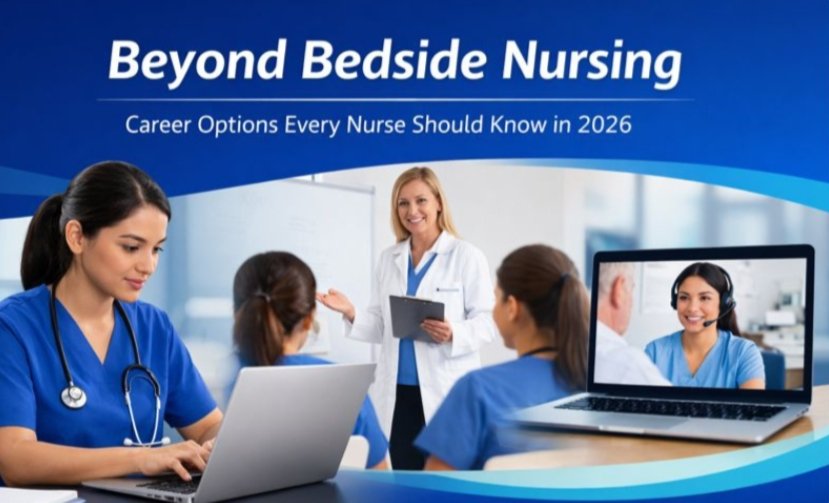
Beyond Bedside Nursing: New Career Opportunities in 2026
Meta Description:
Discover non-bedside nursing careers in 2026. Explore high-demand roles, skills needed, salary outlook, and how staff nurses can transition beyond bedside care.

Introduction:
Why Nurses Are Looking Beyond the Bedside in 2026Bedside nursing has always been the heart of healthcare. It is meaningful, skilled, and deeply human work. However, by 2026, many nurses across the globe are exploring career options beyond bedside care—not because they love nursing any less, but because the profession itself is evolving.
Staff shortages, burnout, physical strain, rotating shifts, and emotional fatigue have pushed many nurses to ask an important question:
“Can I still be a nurse—without being at the bedside every day?”
The answer is yes.
Healthcare systems in 2026 need nurses in education, technology, leadership, research, digital health, public health, legal services, and corporate healthcare. These roles value nursing knowledge while offering better work-life balance, professional growth, and long-term sustainability.
This article is a complete, human-friendly guide for staff nurses, educators, and healthcare professionals who want to explore new nursing career opportunities beyond bedside care in 2026.
What Does “Beyond Bedside Nursing” Mean?
Beyond bedside nursing refers to non-clinical or indirect-care nursing roles where nurses do not provide routine hands-on patient care but instead use their:
Clinical knowledge
Critical thinking skills
Communication abilities
Leadership and education expertise
These roles still impact patient outcomes, just in a different way—often at a system, community, or policy level.
Why Non-Bedside Nursing Careers Are Growing in 2026
Several major trends are shaping nursing careers in 2026:
1. Digital Transformation in Healthcare Electronic health records, telemedicine, AI tools, and data analytics require nurses who understand both care and technology.
2. Workforce Burnout and Retention Issues. Healthcare organizations are creating alternative nursing roles to retain experienced nurses who can no longer work bedside shifts.
3. Focus on Quality, Safety, and Outcomes hospitals are investing in quality improvement, patient safety, and compliance, led by nurses.
4. Rise of Remote & Flexible WorkTelehealth, case management, and digital education allow nurses to work from home or office settings.
Top Non-Bedside Nursing Career Opportunities in 2026
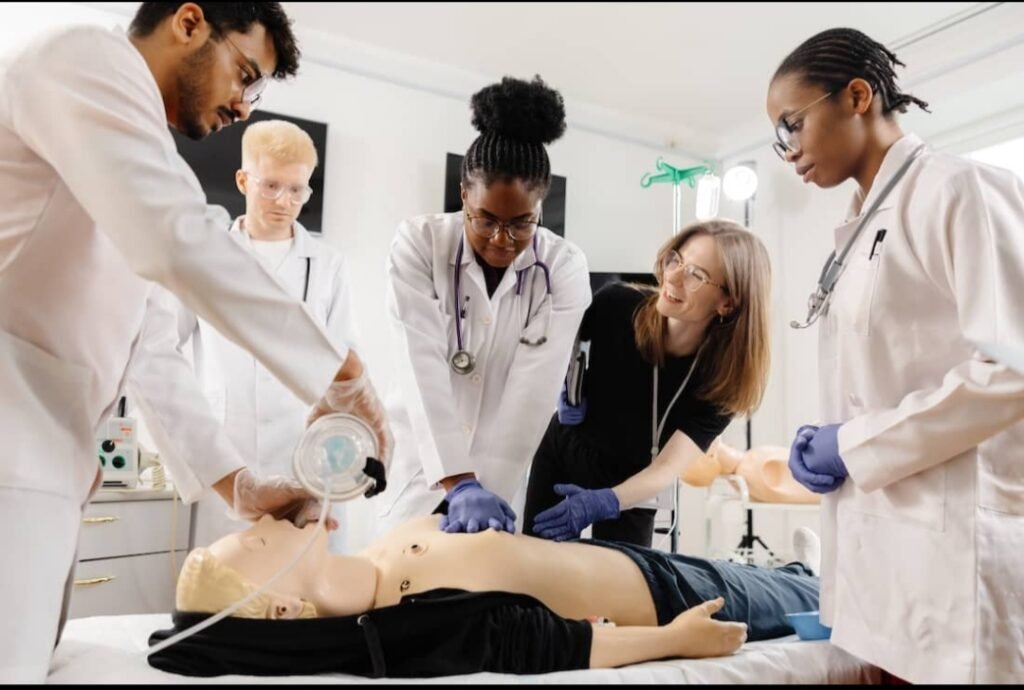
🧑🏫 1. Nurse Educator (Academic & Clinical)
Who it’s for:
Nurses who enjoy teaching, mentoring, and guiding others.
Where they work:
1. Nursing colleges
2. Teaching hospitals
3. Simulation labs
4. Online education platforms
Key responsibilities:
1. Teaching nursing students or staff nurses
2. Developing training modules
3.Conducting skill assessments
4. Updating evidence-based practices
Why it’s popular in 2026:
Online nursing education and continuous skill upgrades are in high demand.
Extra qualifications:
1.MSc Nursing / MSN
2. Certification in Nursing Education
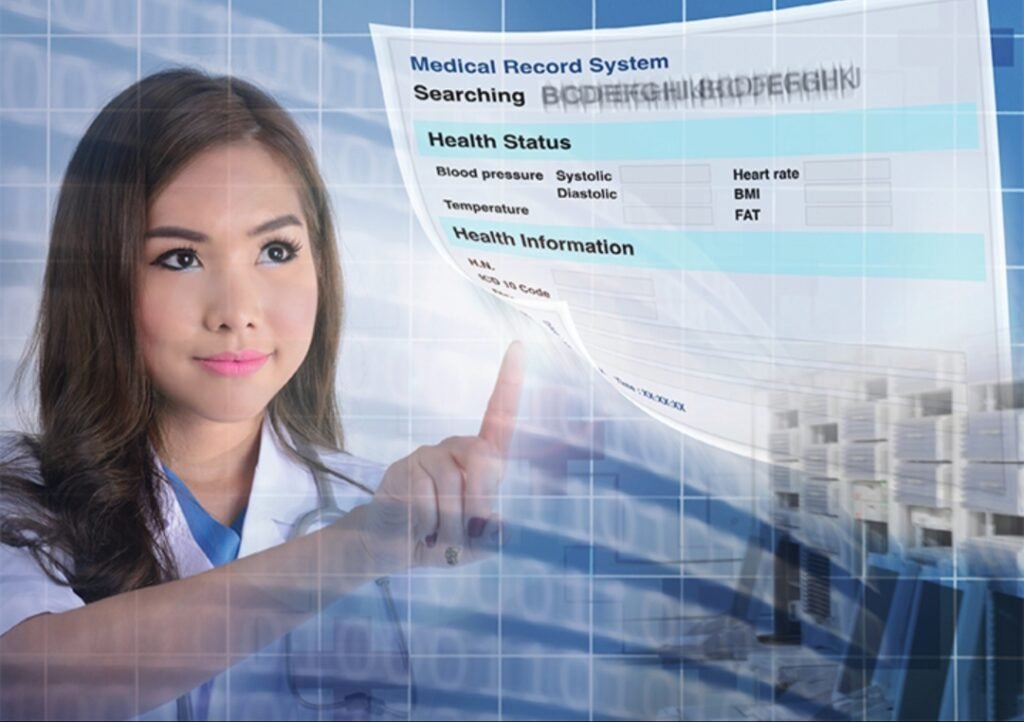
💻 2. Nursing Informatics Specialist
Who it’s for:
Nurses interested in technology and data.
Role overview:
Nursing informatics bridges clinical nursing and health IT systems.
Key responsibilities:
Managing EHR systems
Training staff on digital tools
Improving documentation workflows
Data analysis for patient safety
Why it’s booming in 2026:
AI, digital charting, and automation need nurses who understand clinical reality.
Skills needed:
Computer literacy
Data interpretation
Clinical documentation knowledge
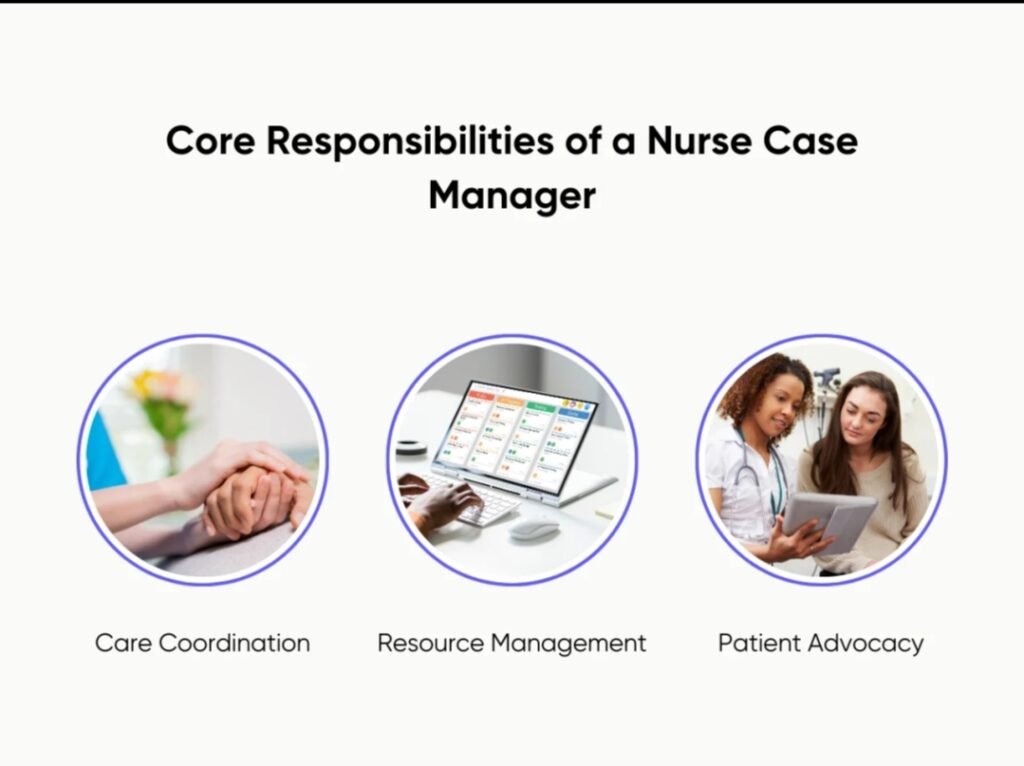
🧠 3. Case Manager / Care Coordinator
Who it’s for:
Nurses skilled in communication and planning.
Work setting:
A. Hospitals
B. Insurance companies
C. Community health programs
What they do:
1. Coordinate patient care plans
2. Reduce hospital readmissions
3. Communicate with families and providers
4. Ensure continuity of care
Why nurses choose this role:
1. Regular working hours
2. Less physical strain
3. Strong patient impact
⚖️ 4. Legal Nurse Consultant (LNC)

Who it’s for:
Nurses interested in law and medical documentation.
Role highlights:
Review medical records
Assist lawyers with medical cases
Identify negligence or standard-of-care issues
Prepare expert reports
Work environment:
Law firms
Insurance companies
Independent consulting
2026 trend:
Medical litigation and insurance claims continue to rise globally.
🏥 5. Quality Improvement & Patient Safety Nurse

Who it’s for:
Detail-oriented nurses passionate about safe care.
Key responsibilities:
Audit clinical practices
Monitor infection control
Improve patient safety indicators
Staff training on protocols
Why this role matters in 2026:
Healthcare accreditation and quality benchmarks are stricter than ever.
🌍 6. Public Health Nurse / Community Health Specialist

Focus areas:
Health education
Disease prevention
Maternal & child health
Epidemiology support
Why it’s relevant now:
Post-pandemic healthcare prioritizes community-based prevention.
📞 7. Telehealth & Remote Care Nurse

What they do:
1. Virtual patient consultations
2. Chronic disease monitoring
3. Follow-up care
4. Patient education
Advantages:
Work-from-home options
Flexible schedules
Reduced physical workload
🧑💼 8. Nurse Administrator & Healthcare Manager
Best for: Nurses with leadership skills.
Roles include:
1. Nursing supervisor
2. Hospital administrator
3. Operations manager
Skills required:
1. Leadership
2. Budgeting
3. Policy development
✍️ 9. Medical Writer & Health Content Specialist
Opportunities:
Health blogs
Medical journals
Patient education materials
Digital healthcare platforms
Why it’s growing:
Healthcare content demand is exploding in digital media.
Skills Nurses Need to Transition Beyond Bedside Care
To succeed in non-bedside roles in 2026, nurses should focus on:
1. Communication & documentation
2. Digital literacy
4. Evidence-based practice
5. Time management
6. Continuous learning
How to Transition from Bedside to Non-Bedside Nursing Step-by-step approach:
1. Identify your interest area
2. Assess your transferable skills
3. Upskill through certifications or courses
4. Gain experience via committees or projects
5. Update your resume and LinkedIn profile
Salary Outlook for Non-Bedside Nursing Roles in 2026
While salaries vary by region and role, many non-bedside positions offer:
Competitive pay
Stable working hours
Long-term career sustainability
In some cases, non-bedside roles pay equal or more than bedside positions, especially in informatics, legal consulting, and administration.
Is Leaving the Bedside Leaving Nursing?
Absolutely not.
Moving beyond bedside care means evolving with the profession, protecting your health, and continuing to serve patients in new and impactful ways.
Final Thoughts:
Nursing Careers Are Expanding—So Can YouThe nursing profession in 2026 is bigger than the bedside. Your skills, compassion, and experience are needed in many areas of healthcare.
Whether you want:
Better work-life balance
Career growth
Mental and physical sustainability
There is a nursing role for you beyond bedside care.
❓ Frequently Asked Questions (FAQs)
1. What does “beyond bedside nursing” mean?
Beyond bedside nursing refers to nursing roles that do not involve daily hands-on patient care. These roles use nursing knowledge in areas such as education, administration, informatics, public health, research, telehealth, and healthcare management.
2. Why are many nurses moving away from bedside roles in 2026?
In 2026, many nurses are seeking non-bedside roles due to workload stress, burnout, physical strain, rotating shifts, and the desire for better work-life balance—while still staying within the nursing profession.
3. Can I leave bedside nursing without leaving the nursing profession?
Yes. Leaving bedside care does not mean leaving nursing. Non-bedside roles still require nursing knowledge, clinical experience, and professional judgment, and they play a critical role in patient outcomes and healthcare systems.
4. What are the best non-bedside nursing careers in 2026?
Some of the most in-demand non-bedside nursing careers in 2026 include:Nurse EducatorNursing Informatics SpecialistCase ManagerTelehealth NurseLegal Nurse ConsultantQuality Improvement NursePublic Health NurseNurse Administrator
5. Do non-bedside nursing jobs pay less than bedside nursing?
Not always. Many non-bedside nursing roles offer competitive or even higher salaries, especially in informatics, legal consulting, administration, and corporate healthcare. Additionally, they often provide stable hours and long-term career sustainability.
6. What qualifications are needed to move into a non-bedside nursing role?
Requirements vary by role. Some positions need:Additional certificationsA postgraduate degree (MSN/MSc Nursing)Experience in leadership, education, or technologyOthers allow transition based on clinical experience and short-term skill courses.
7. Is clinical experience required for non-bedside nursing jobs?
Yes, clinical experience is highly valuable. Most non-bedside roles prefer nurses with bedside experience because it helps them understand real-world patient care, workflows, and safety concerns.
8. Which non-bedside nursing roles allow work-from-home options?
In 2026, several nursing roles offer remote or hybrid work, including:Telehealth NurseCase ManagerNursing Informatics SpecialistMedical WriterLegal Nurse Consultant
9. How can a staff nurse transition from bedside to a non-bedside role?
A smooth transition includes:Identifying your area of interestLearning required skills or certificationsVolunteering for quality, education, or audit roles at workUpdating your resume and LinkedIn profileApplying for entry-level non-bedside positions
10. Are non-bedside nursing careers suitable for senior nurses?
Yes. Non-bedside roles are ideal for experienced and senior nurses who want to reduce physical workload while continuing to contribute their expertise in leadership, mentoring, quality improvement, and education.
11. Is non-bedside nursing less stressful than bedside nursing?
Stress levels vary by role, but many nurses find non-bedside positions less physically demanding, more predictable, and emotionally sustainable compared to bedside nursing.
12. Will non-bedside nursing roles grow in the future?
Absolutely. With digital health expansion, aging populations, healthcare reforms, and a focus on quality and safety, non-bedside nursing careers are expected to grow significantly beyond 2026.
13. Can new graduate nurses choose non-bedside careers?
Some non-bedside roles require experience, but new graduates can start preparing early by gaining bedside exposure, learning digital skills, participating in research or education projects, and pursuing relevant certifications.
14. How do non-bedside nurses impact patient care?
Non-bedside nurses improve patient care by:Enhancing safety and qualityEducating healthcare staffImproving care coordinationSupporting health systems and policiesTheir impact is often at a larger system or population level.
15. Is choosing a non-bedside nursing career a good long-term decision?
Yes. For many nurses, non-bedside roles offer career longevity, professional growth, better health, and work-life balance—making them a smart and sustainable career choice.
2 thoughts on “Beyond Bedside Nursing: New Career Opportunities in 2026”