
How to Choose the Right Advanced Nursing Career in 2026
Meta Description
Confused about your nursing future? Learn how to choose the right advanced nursing career in 2026 based on skills, salary, demand, and work-life balance.

Introduction
The nursing profession is evolving faster than ever. In 2026, nurses are no longer limited to bedside roles alone. Advanced nursing careers now offer higher salaries, leadership opportunities, professional autonomy, flexible work environments, and global career options.However, with so many choices available, many nurses struggle to decide which advanced nursing career is right for them.
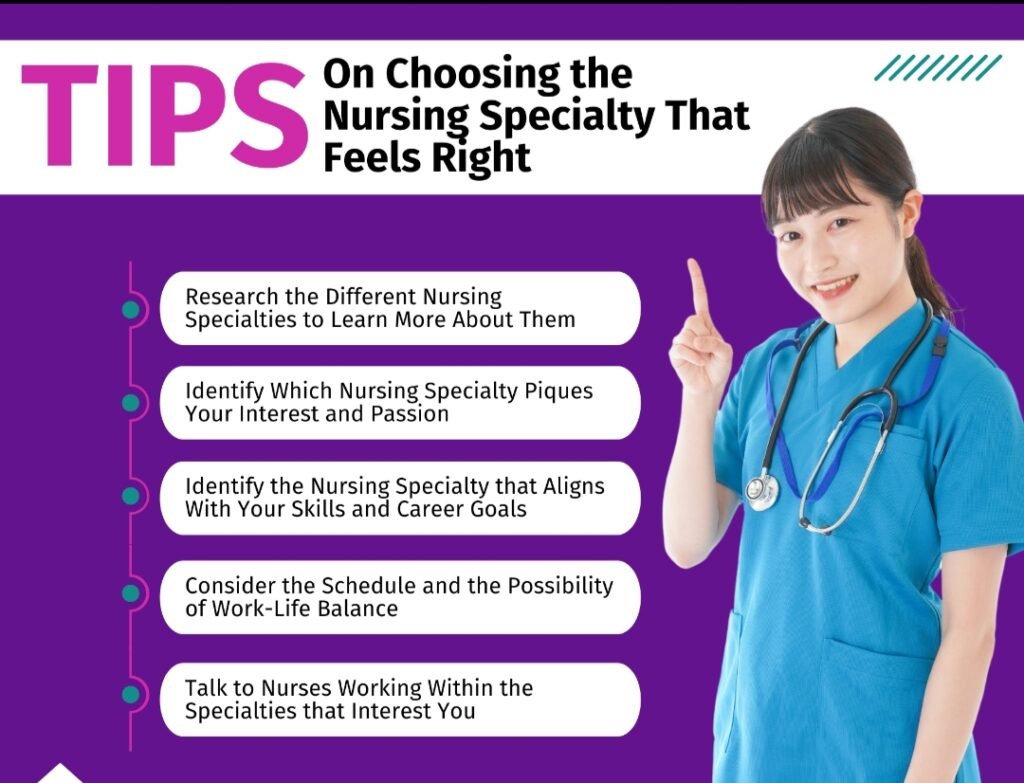
This article will help you make a clear, confident, and informed decision by understanding your strengths, goals, and the future demands of healthcare.
Why Choosing the Right Advanced Nursing Career Is Important
Choosing the wrong career path can lead to:
Job dissatisfaction
Burnout and stress
Financial loss due to unnecessary education
Limited growth opportunities
Choosing the right advanced nursing career can provide:
Professional satisfaction
Career stability
Better income
Leadership and
recognitionLong-term growth
What Is an Advanced Nursing Career?
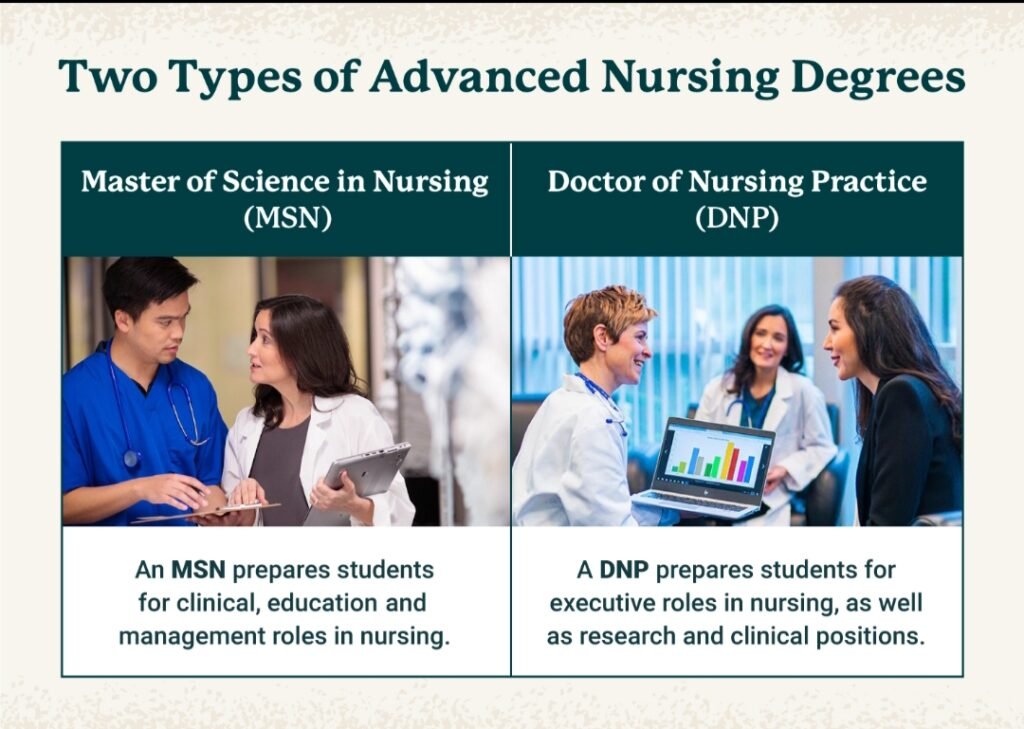
Advanced nursing careers involve specialized education, higher responsibility, and expanded clinical or non-clinical roles beyond general nursing practice.
Common advanced nursing roles include:
Nurse Practitioner (NP)
Clinical Nurse Specialist (CNS)
Nurse Educator
Nurse Administrator / Nurse Manager
Nurse Informaticist
Nurse Researcher
Public Health Nurse Leader
Step 1: Assess Your Interests and Strengths Before choosing any advanced nursing role, reflect on what truly motivates you.Ask yourself:
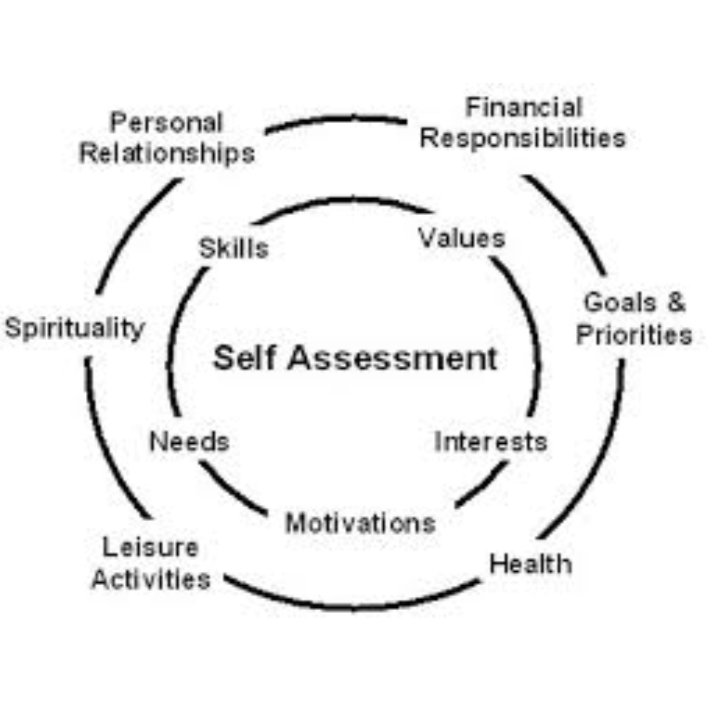
Do I enjoy direct patient care?
Do I prefer teaching or mentoring?
Am I interested in leadership and management?
Do I enjoy technology and data analysis?Examples:
Enjoy patient care → Nurse Practitioner or CNS Enjoy teaching → Nurse Educator
Prefer leadership → Nurse Administrator interested in technology → Nurse Informatics
Step 2: Evaluate Your Educational Commitment most advanced nursing careers require:
Master’s degree in nursing (MSc/MSN)Specialized Certifications continuous professional development Consider:
Can I balance work, study, and personal life?
Do I prefer full-time or part-time education?
Is online or distance learning available?
Choose a career that fits your learning capacity and lifestyle.

Step 3: Research Job Demand and Future Scope in 2026 Healthcare systems globally are facing:
Nursing shortages
Aging populations
Rise in chronic diseases
Increased use of technology
High-demand advanced nursing roles in 2026 include:
Nurse Practitioner
Clinical Nurse Specialist
Nurse Educator
Nurse Informaticist
Public Health Nursing Leaders
Selecting a high-demand role ensures job security and long-term growth.

Step 4: Consider Salary and Work-Life Balance While salary is important, it should not be the only deciding factor.Compare:
Working hours
Stress levels
On-call duties
Shift vs fixed scheduleExamples:
Nurse Practitioners → Higher salary, higher responsibility
Nurse Educators → Moderate salary, predictable work hours
Nurse Administrators → Leadership role, reduced bedside stress Choose a role that supports both financial stability and mental well-being.
Step 5: Identify Your Preferred Work Environment Advanced nursing careers are available in various settings:
HospitalsUniversities and colleges
Corporate healthcare organizations
Public health departments
Research institutions
Ask yourself:
Do I want clinical or non-clinical work?
Hospital-based or community-based?
Local or international career?

Step 6: Think About Global Career Opportunities
Many advanced nursing roles offer excellent international opportunities, especially in:
USA
UK
Canada
Australia
Middle East
Roles like Nurse Practitioner, Nurse Educator, and Nurse Administrator are globally in demand. If international work is your goal, choose a globally recognized specialization.
Step 7: Seek Mentorship and Career Guidance Do not choose your career alone:
Speak with senior nurses
Attend nursing webinars and conferences
Join professional nursing associations
Follow nurse leaders and educators Guidance from experienced professionals can prevent costly mistakes.
Common Mistakes Nurses Should Avoid Choosing a career based only on salary
Following friends or trends blindly
Ignoring burnout risk
Underestimating education requirements Not planning long-term growth
Final Thoughts
Choosing the right advanced nursing career in 2026 requires self-awareness, research, and strategic planning.The best nursing career is not the most popular one—but the one that aligns with your passion, skills, and long-term goals.
❓ Frequently Asked Questions
- What is an advanced nursing career?
An advanced nursing career involves higher education, specialized skills, and expanded responsibilities beyond basic nursing roles. Examples include Nurse Practitioner, Clinical Nurse Specialist, Nurse Educator, Nurse Administrator, and Nurse Informatics Nurse. - Which advanced nursing career is most in demand in 2026?
In 2026, the most in-demand advanced nursing careers include Nurse Practitioner, Clinical Nurse Specialist, Nurse Educator, Nurse Informaticist, and Public Health Nursing Leader due to global nurse shortages and growing healthcare needs. - How do I know which advanced nursing career is right for me?
You should assess your interests, strengths, preferred work environment, educational readiness, and long-term goals. Choosing a career that aligns with your personality and lifestyle helps prevent burnout and improves job satisfaction. - Is a master’s degree required for advanced nursing careers?
Yes, most advanced nursing roles require a Master’s degree in Nursing (MSc/MSN) along with specialized certifications. Some leadership or informatics roles may also require additional training. - Which advanced nursing career offers the best work-life balance?
Nurse Educator, Nurse Informaticist, and Nurse Administrator roles usually offer better work-life balance with fixed working hours compared to clinical roles like Nurse Practitioner. - Are advanced nursing careers stressful?
Stress levels vary by role. Clinical roles may involve higher responsibility and pressure, while education, administration, and informatics roles generally have lower bedside stress. - Can advanced nursing careers offer international job opportunities?
Yes. Advanced nursing roles such as Nurse Practitioner, Nurse Educator, and Nurse Administrator are in high demand in countries like the USA, UK, Canada, Australia, and the Middle East. - Is salary the most important factor when choosing an advanced nursing career?
No. While salary is important, nurses should also consider job satisfaction, work-life balance, stress levels, future demand, and personal interest when choosing an advanced career path. - What skills are important for success in advanced nursing careers?
Key skills include clinical expertise, leadership, communication, critical thinking, decision-making, adaptability, and continuous learning. - What mistakes should nurses avoid when choosing an advanced nursing career?
Common mistakes include choosing a career based only on salary, following trends blindly, ignoring burnout risk, underestimating education requirements, and not researching future job demand. - Can staff nurses transition to advanced nursing roles?
Yes. Staff nurses can transition to advanced nursing careers by gaining experience, pursuing higher education, obtaining certifications, and seeking mentorship. - How can I prepare now for an advanced nursing career in 2026?
Start by identifying your career goals, upgrading your skills, enrolling in relevant courses, networking with nursing professionals, and staying updated with healthcare trends.